
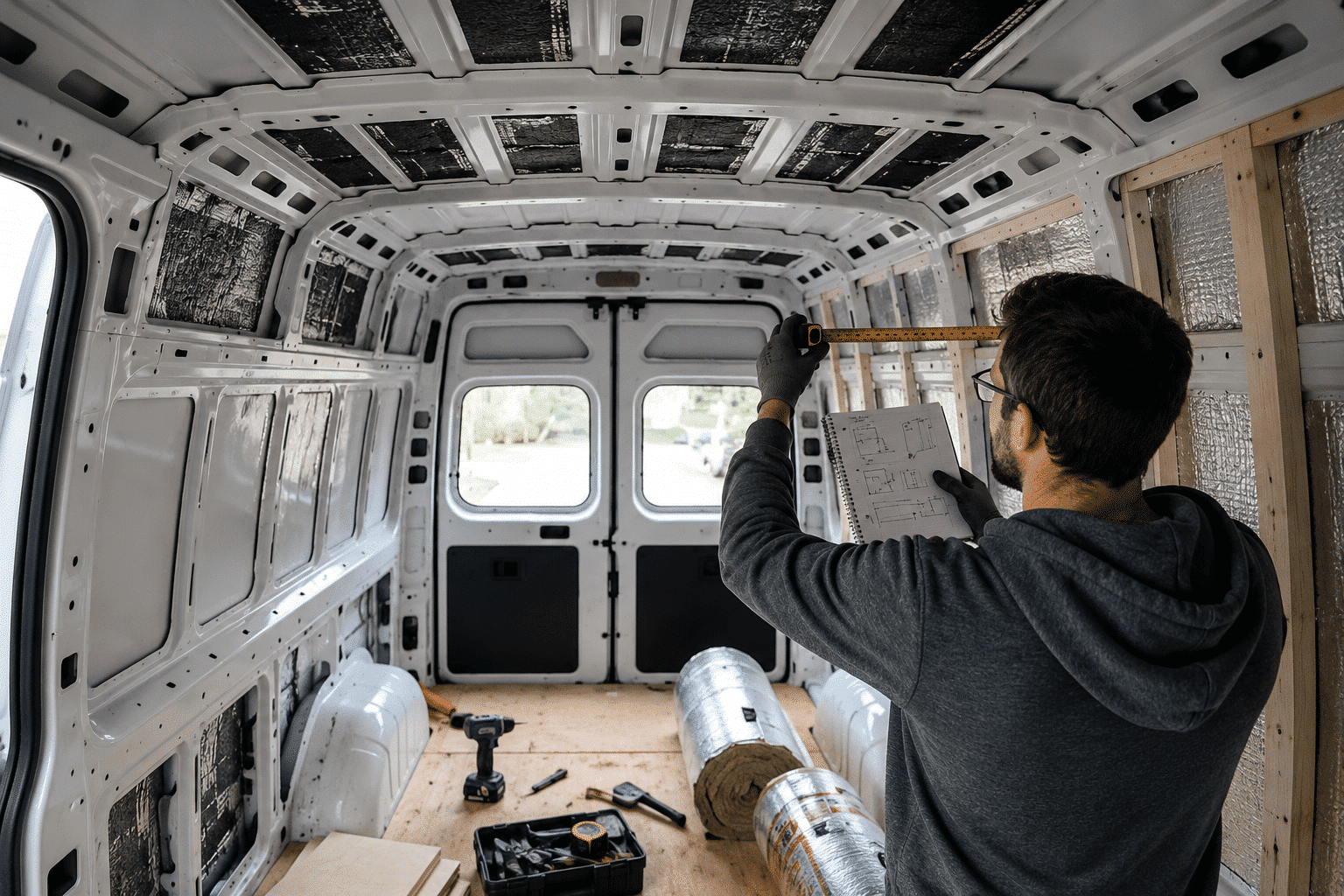
Common Van Conversion Mistakes (And How to Dodge Them)
Converting a van is a dream project, but it is also a steep learning curve. If you spend enough time scrolling through vanlife forums, you will quickly see a pattern of common regrets. Before you start cutting holes in your roof or buying expensive timber, here are five frequent mistakes first-time builders make – and how you can avoid them..
1. Ignoring Payload Limits
Every van has a Maximum Allowable Mass (MAM). When you add sound deadening, insulation, heavy timber framing, water tanks, and leisure batteries, that weight adds up fast.
The Fix: Weigh your base vehicle at a public weighbridge before you start. Use lightweight materials like poplar plywood instead of heavy MDF, and keep a running spreadsheet of the weight you are adding.
2. Skimping on Ventilation
Condensation is the absolute enemy of van life. Just breathing overnight can introduce a surprising amount of moisture into the air. If that moisture can’t escape, it leads to mould and rust.
- The Fix: Install at least one roof vent (preferably with a fan, like a Maxxair) and ensure you have a source of cross-ventilation, such as an opening side window.
3. Trapping Your Wiring
Many beginners beautifully insulate and clad their walls, only to realise they forgot to run the cables for their 12V spotlights or USB sockets.
The Fix: Map out your entire electrical system first. Run all your cables through flexible conduit before any insulation or cladding goes up. Take photos of where the wires are so you don’t accidentally drill through them later.
4. Skipping the “Masking Tape Test”
A layout that looks incredibly spacious on a Pinterest board might feel claustrophobic in real life.
The Fix: Once your van is empty, use masking tape on the floor to outline your bed, kitchen, and seating area. Stack cardboard boxes to simulate counter heights. Walk around in the space to see if the workflow actually makes sense.
5. Forgetting a Vapour Barrier
If warm, moist air from inside the van hits the cold metal walls, it will condense behind your insulation.
The Fix: After insulating, seal the walls completely with a continuous vapour barrier (like foil bubble wrap taped with aluminium tape) to keep moisture out of your vehicle’s cavities.
Need a hand?
Feeling a bit overwhelmed by the conversion process?
It is a massive undertaking, and you don’t have to do it alone. If you need help avoiding these mistakes or want professionals to handle the tricky parts, let us at XVC Campers help you.
Visit our website at xvccampers.co.uk to see our services and get in touch with our team.
